

how to become an herbalist
Herbal Medicine Diploma - Syllabus
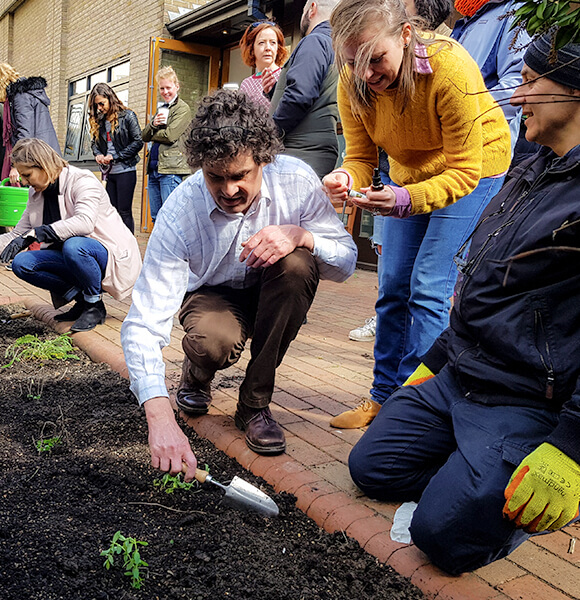
Part 1:
Biomedicine, Naturopathy Study & Herbal Medicine I
Biomedicine
The aim of Biomedicine is to get students to understand how the body works, most common diseases, medical diagnostics, differential diagnostics and red flag symptoms. This way a future practitioner understands medical conditions, especially dangerous conditions and is able to decide what he can treat and when to refer to a specialist.
Medical Doctors, Dentists, Nurses, Physiotherapists, Pharmacists, Midwives, Chiropractors, Osteopaths, etc., may not be required to take Biomedicine – please contact CNM for more information and to see if you qualify for direct enrolment. Graduates with an ITEC diploma (e.g. massage, aromatherapy, reflexology etc.) will need to do the Biomedicine year in order to get a CNM diploma.
- Medical Terminology and Definitions.
- Anatomy, Physiology and Pathology of all Organ Systems.
- Infectious Diseases, Allergies and How the Immune System works.
- Pharmacology, Laboratory, Drug interactions.
- Diagnostics, Differential diagnostics and Examination methods.
- Red Flag symptoms, Legal Requirements, When to refer to an expert.
Herbal Medicine I
- History, philosophy and treatment theories of Western herbal medicine
- Herbal actions and their therapeutic applications
- Safety considerations for herbal medicine
- Social, political and legal context for herbal practice
- Plant anatomy and physiology
- Basic horticulture
- Ecological issues and sustainability in herbal medicine
- Energetics (Greco-Roman, Ayurveda, Traditional Chinese Medicine, American traditions)
- Clinical Observation
- Practitioner Development & Ethics I
- Research & study skills I
Naturopathy Study
Naturopathy
- Pioneers of Naturopathy, Naturopathic Principles, Healing Power of Nature.
- Treating the Cause – not the Symptom. How not to Suppress symptoms.
- The Laws of Cure. Fundamentals of Cure, How the Body can Heal itself.
- Hydrotherapy: The many cures of Water (external & internal applications).
TCM (Traditional Chinese Medicine)
- The 4 Pillars of TCM Diagnostics (pulse, tongue, face, nails).
- Acupuncture Channels, their relation to organ functions. Yin - Yang Theory.
- The Energetics of Food (warming, cooling, dehydrating, moistening).
- Chinese Diets to strengthen a patients individual constitution.
Naturopathic Nutrition
- Principals of Naturopathic Nutrition, Micro and Macro Nutrients. The nutritional benefits of different foods with knowledge of macro and micronutrients.
- How to apply Nutritional Therapy in your practice.
- Let Food be your Medicine and Medicine be your Food (Hippocrates).
- Food combination, Superfoods, Various Diets, The CNM Naturopathic Diet. How to make healthy food choices.
- Specific Foods for particular Ailments, Cooking for Health, Case studies.
First Aid Homeopathy
- The Laws of Cure, Homeopathic Case taking and Prescription.
- First Aid Homeopathic Remedies and Applications, Case Studies.
Herbal Medicine
- Identifying, collecting, drying, storing and preparing herbs. Herbal safety.
- Application of herbal medicines (internal and external) for therapeutic benefits.
- Herbal formulas and naturopathic treatments for specific diseases.
Iridology
- Iridology as a diagnostic tool. Case taking, assessment and diagnosis.
- Constitutional Iris types, signs and markings in the iris.
- Using iridology to choose best treatment in Naturopathic practice.
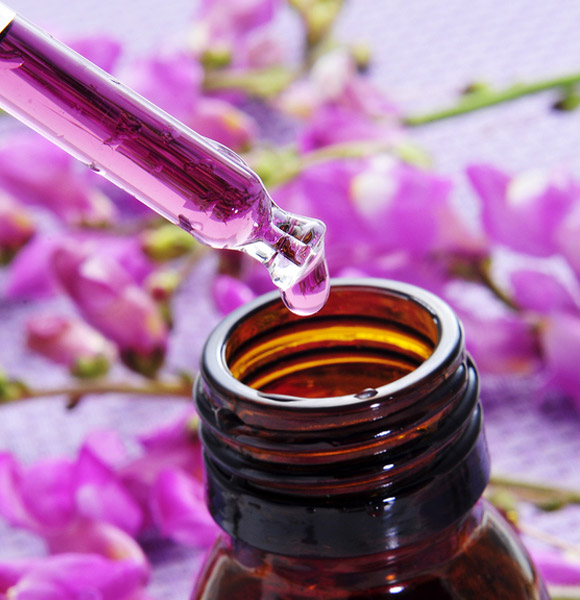
Part 2:
Naturopathic Principles & Herbal Medicine II
Naturopathic Principles
- Naturopathy & Detoxification
- Bach Flower Therapy
- Tissue Salts
- Bodywork (Acupressure, Reflex therapies)
Herbal Medicine II
- Biochemistry
- Pharmacology
- Herb drug interactions
- Botany & Plant identification
- Quality assessment of herbal medicines
- Preparation of internal and external herbal medicines
- Herbal medicine materia medica
- Clinical examination skills
- Pathology
- Clinical Observation and Experience
- Practitioner Development & Ethics II
- Research & study skills II
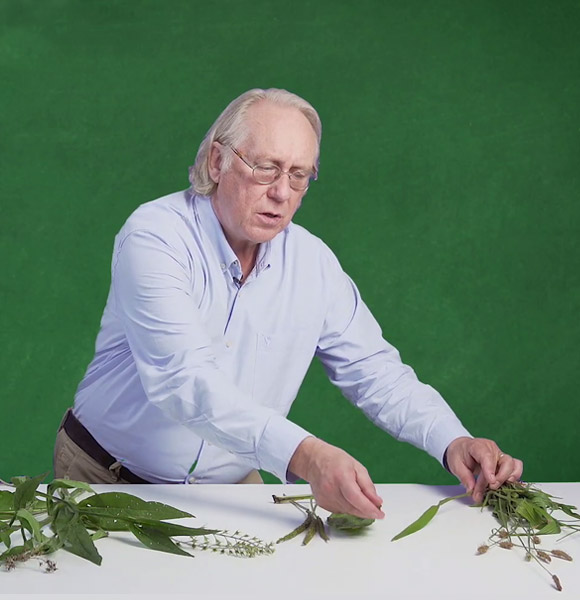
Part 3:
Herbal Medicine III & Dissertation
Herbal Medicine III
- Herbal Therapeutics
- Eyes, ears, nose, throat and face
- Lower respiratory system
- Gastrointestinal system
- Musculoskeletal system
- Genitourinary system
- Cardio-vascular system
- Blood and lymphatic system
- Nervous system
- Endocrine system
- Immune system
- Female and male reproductive systems
- Fertility
- First aid and acute treatments
- Dermatology
- Obstetrics
- Paediatrics
- Oncology
- Geriatrics
- Clinical Practice
- Clinical Management
- Practitioner Development & Ethics III
Dissertation
how to become an herbalist
Source: https://www.naturopathy-uk.com/courses-eu/courses-herbal-medicine/
Posted by: johnsonsentin77.blogspot.com
0 Response to "how to become an herbalist"
Post a Comment